My journey into exploring public spaces in Singapore was conceptualized by the concept of Delirium Ambulatorium—city walks as conceptual mapping, pioneered by Brazilian artist Hélio Oiticica in 1978.
Initially drawn to public placemaking, my attention caught on to the various templates evident in different public places—gardens, community spaces, and parks. These places, meticulously designed by authorities, appeared to serve as templates for civilian engagement based on these predetermined structures and inhabitants.
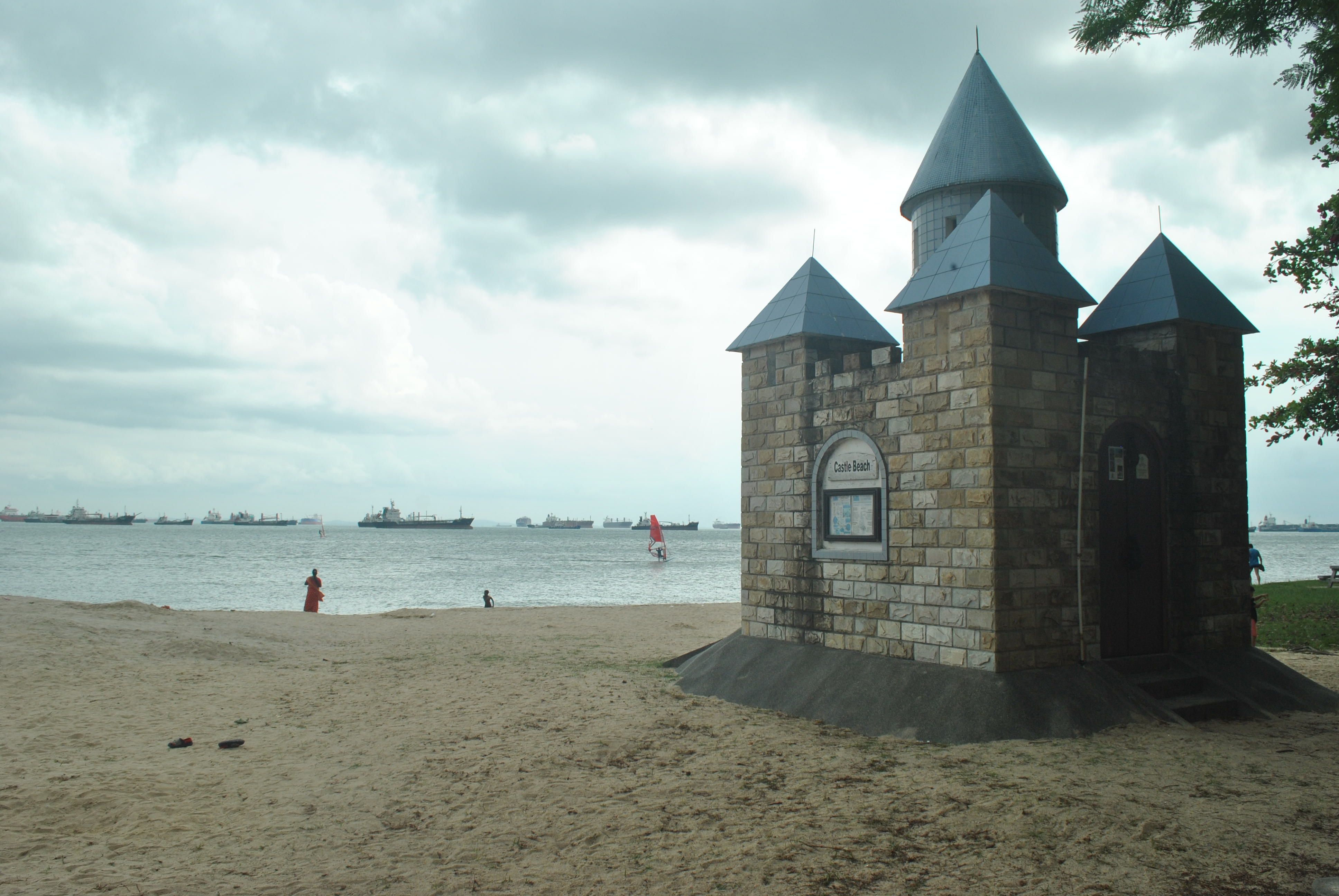
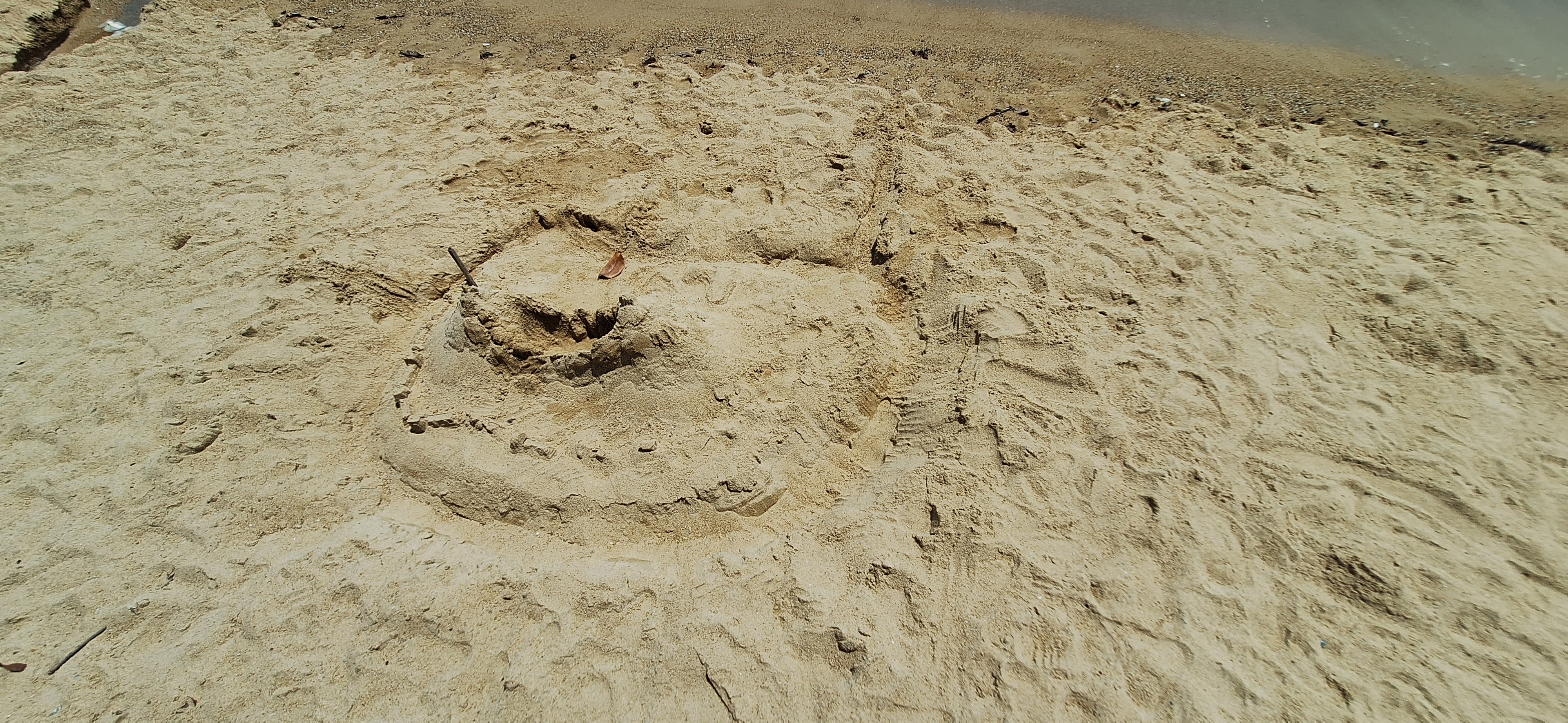
Driven by a curiosity about human responses in the absence of such structured designs, I was in search of a public space free of man-made physical constraints and accessible to diverse groups. The East Coast Beach emerged as a promising option. I found out that one of the things the kids like to do here is build sand castles, and parents and family members often join them. Interestingly, these sandcastles’ typical designs appeared to follow Scottish and British traditions. This observation led me to question whether I could reinterpret these existing templates. Situated on reclaimed land, East Coast Park and Beach fall within the realms of public place-making and urban design. This realization prompted a question; Can public spaces be reimagined as templates for sandcastles, expressed through maps—the fundamental components of cartography and urban design? Contemporary urban design always emphasises public place-making; these exclusive public places are made for social interactions and to foster intimacy across social hierarchies. The intersection of these ideas gave birth to my project, “City as Play.” Participants are invited to sketch maps of their favourite public places, transforming these sketches into sandcastles as a collective act of reimagining and reclaiming public spaces. Through the act of sharing the project aims to catalyze fresh interactions across social hierarchies.
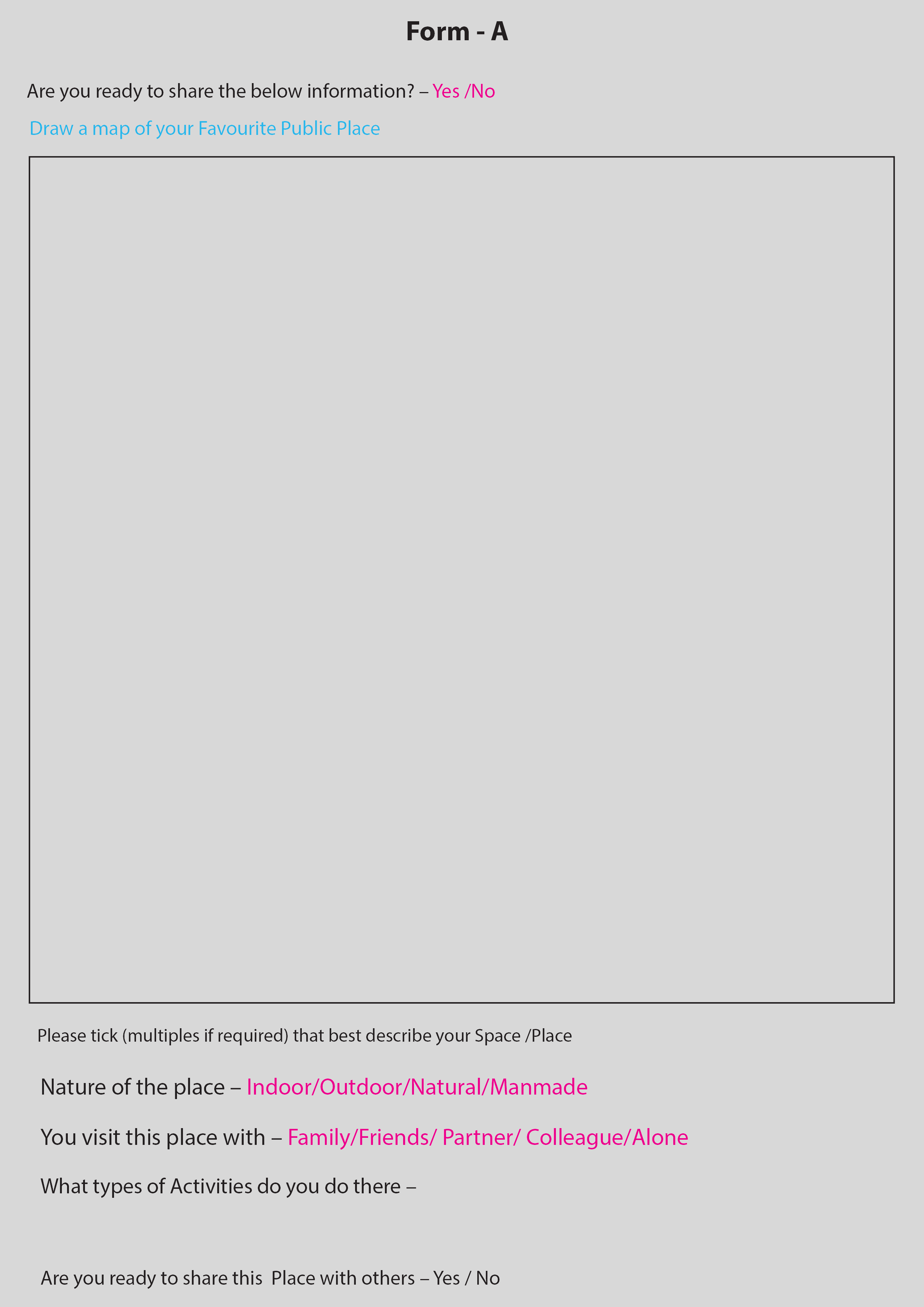
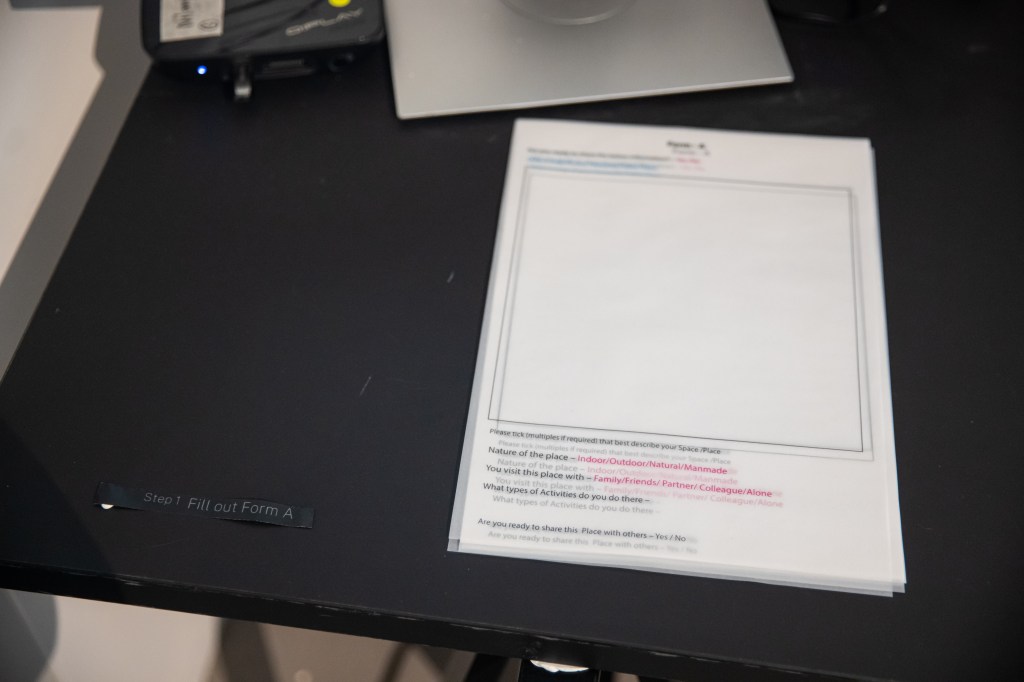
The first activity involved a gaming exercise with two sets of forms printed on tracing paper. The first form allowed people to make a map of their favorite public spot and share it with others. To create a new shared space, arrange the responses on top of one another on the light box, followed by the second form or blank paper on top of it.
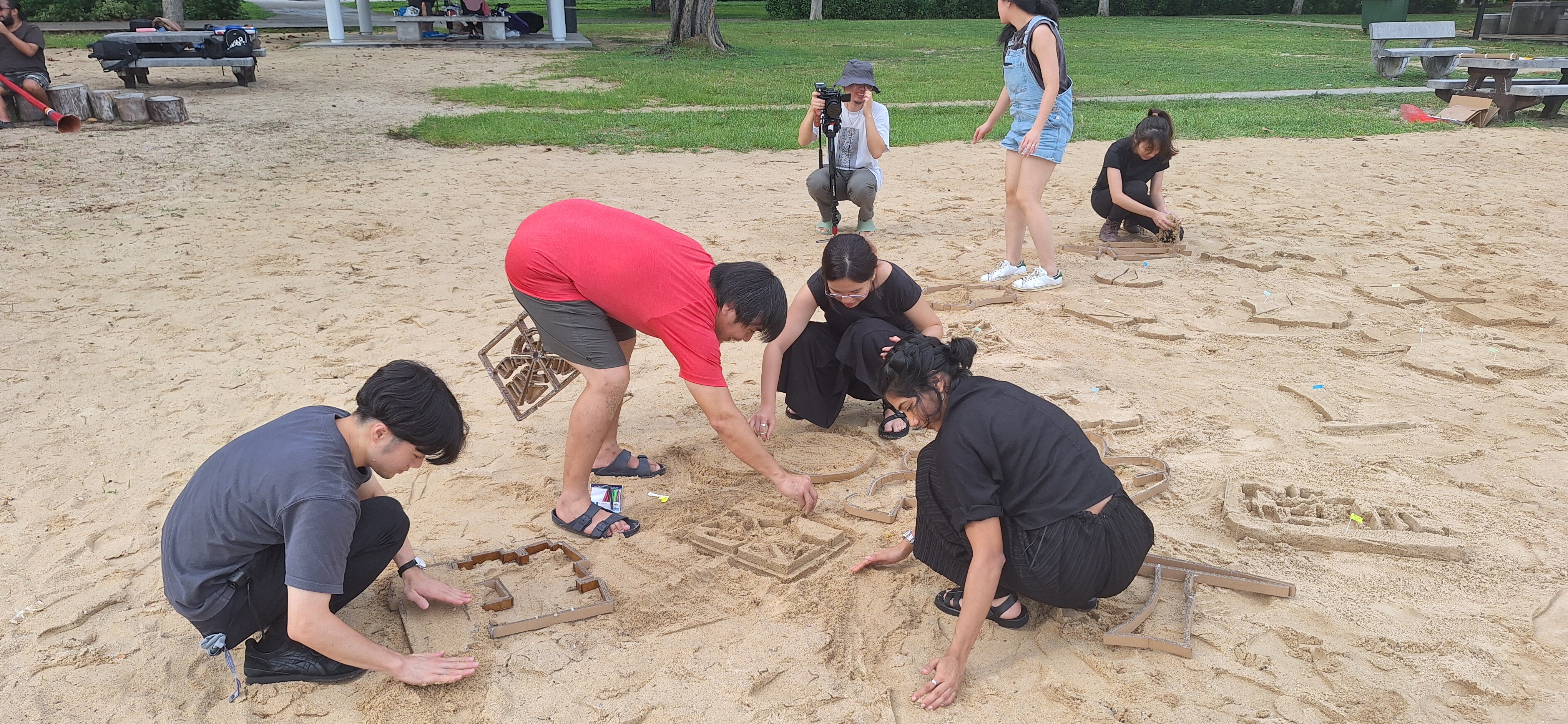
The second engagement involved designing stand stencils to bring new shared spaces to life. I finally went to Castel Beach in East Coast Park and Beach with participants to test and play with the stencils. This exercise serves as a platform for participants to engage in discourse. This conversion lead to question such as whether Parliament is a private place, private space, or public space. I aslo collaborate with Reggie Perera, a Yidaki player from the East Coast community to perform. The device Yidaki is typically used to amplify human voices and as a tool for communication, gathering, or calling people within or from other clans.
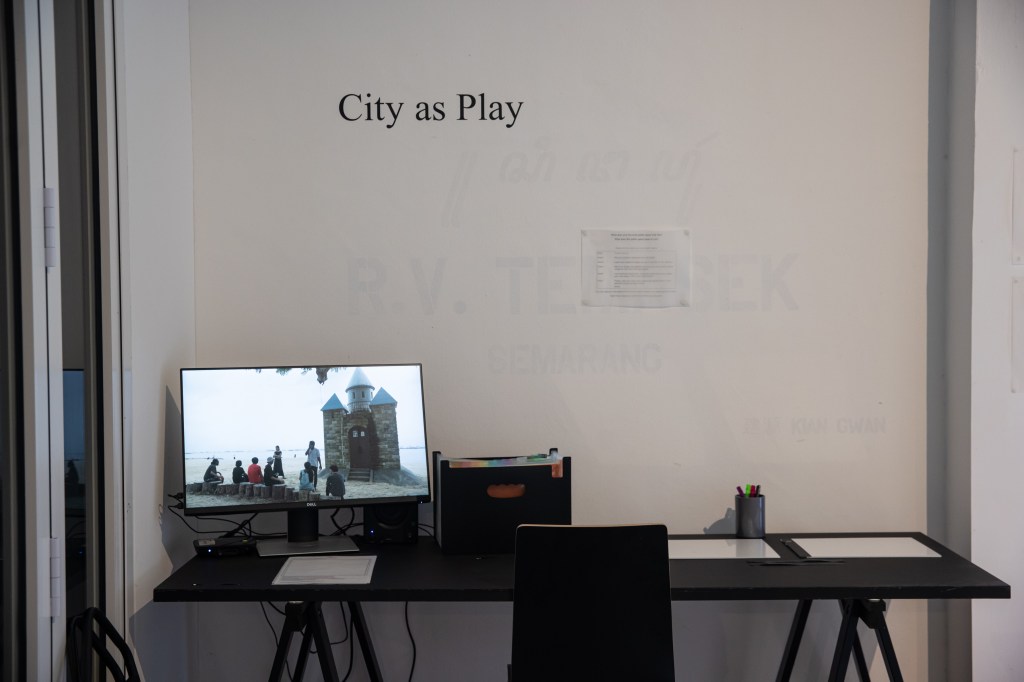
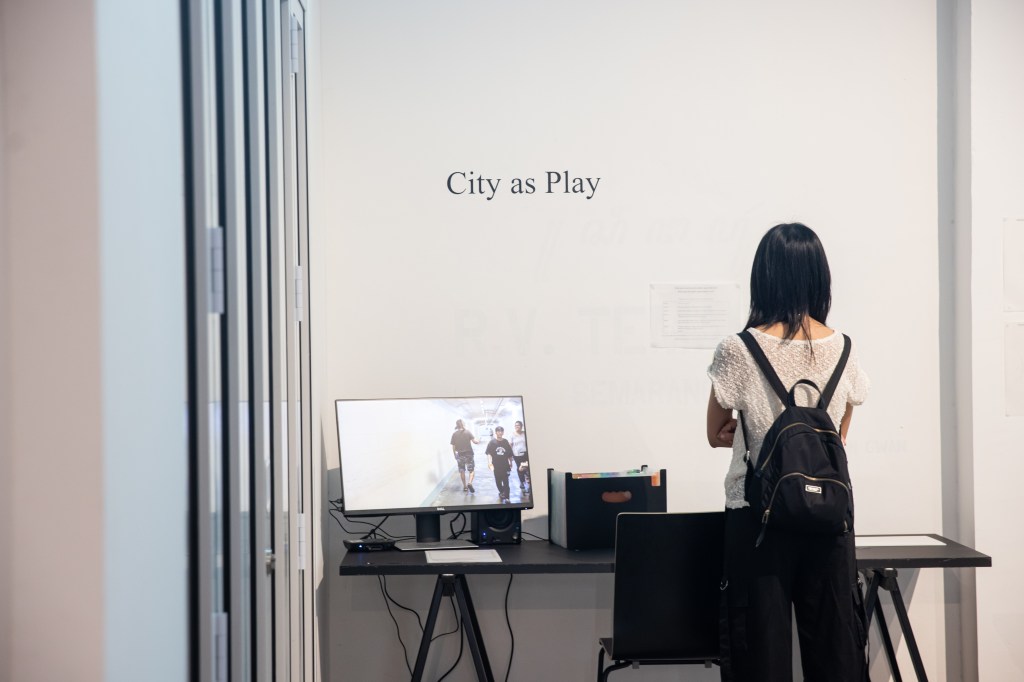
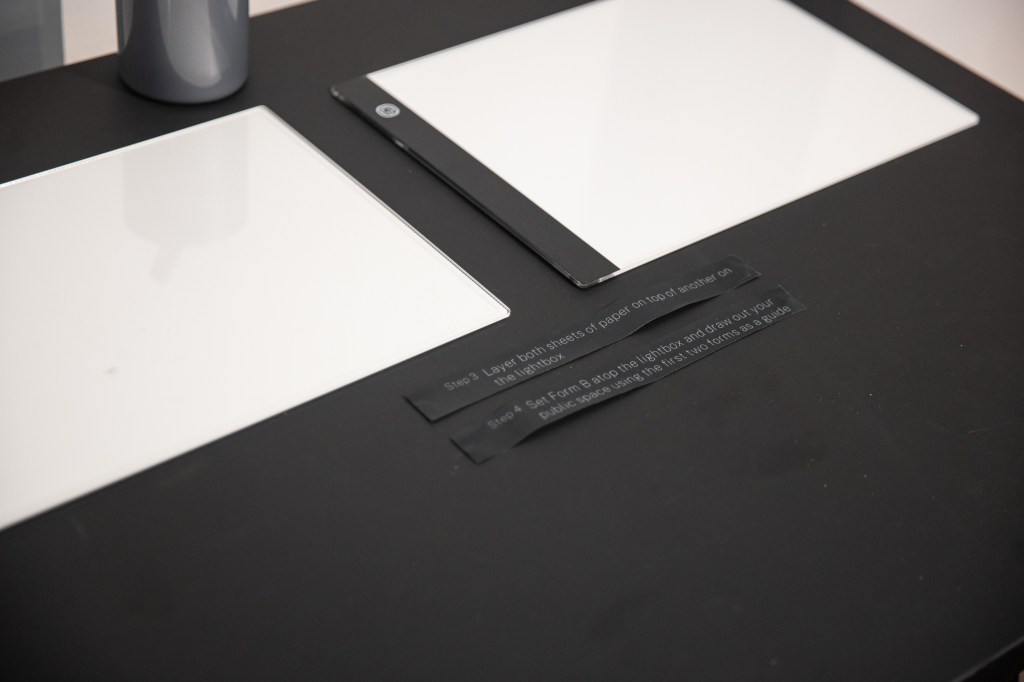
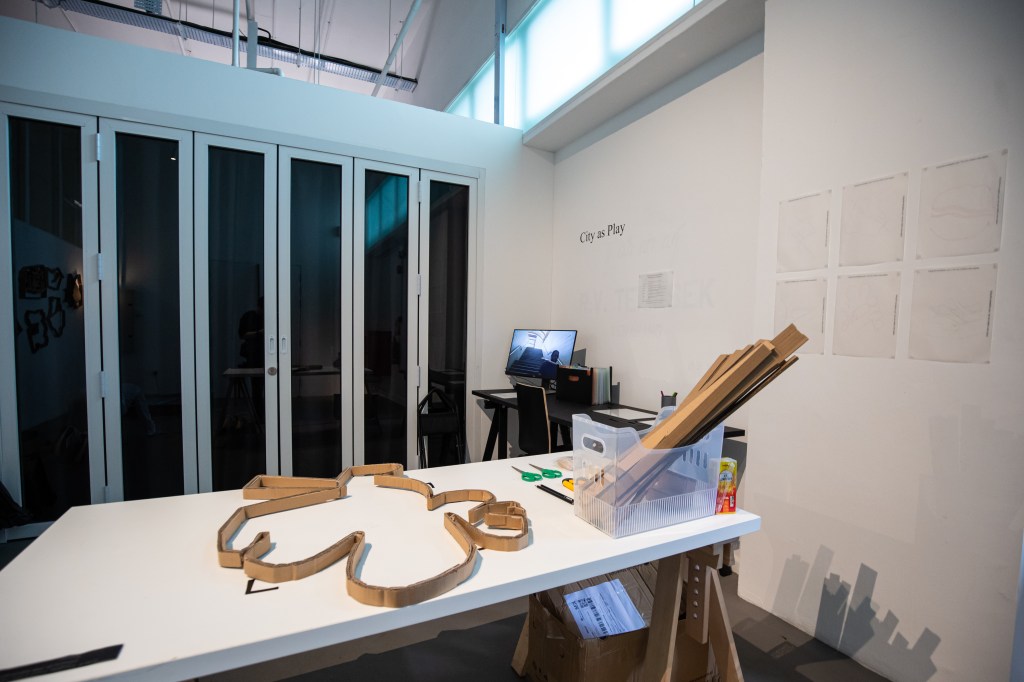
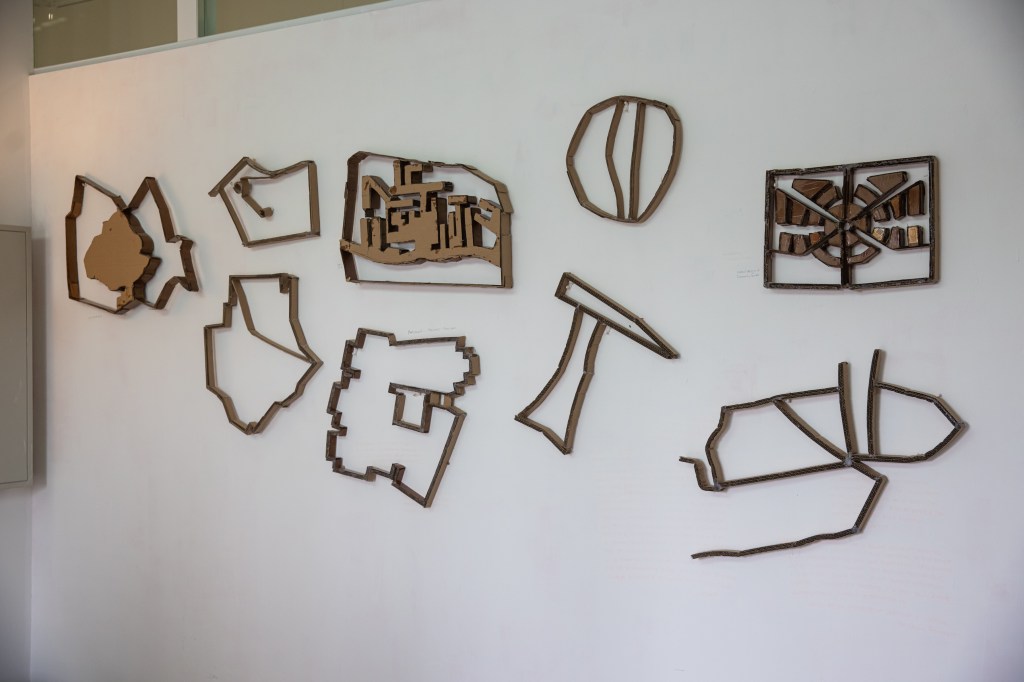
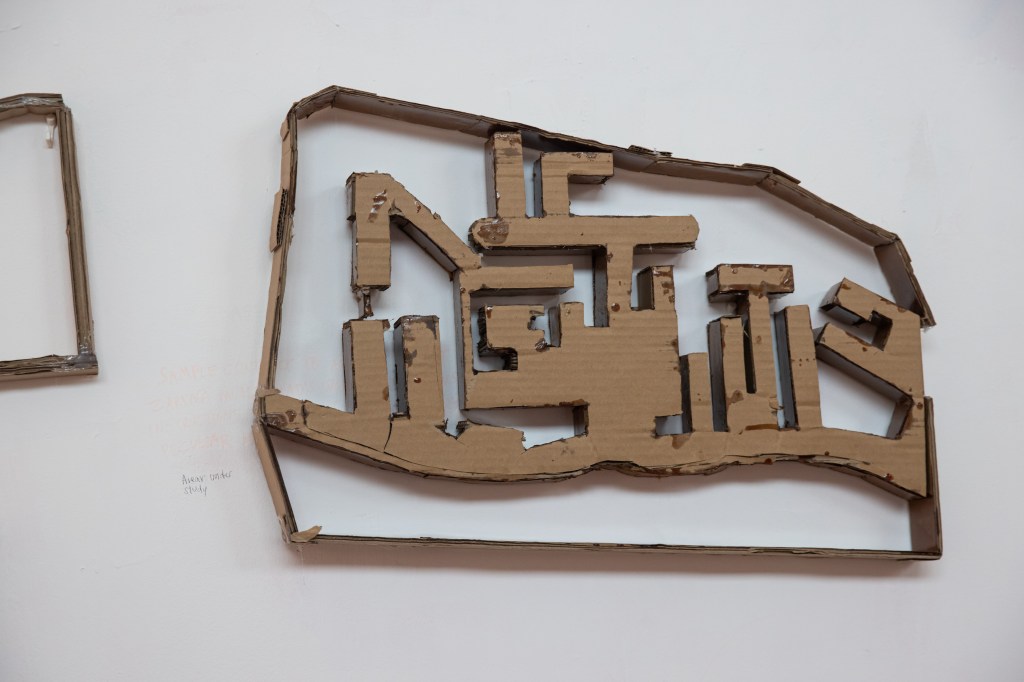
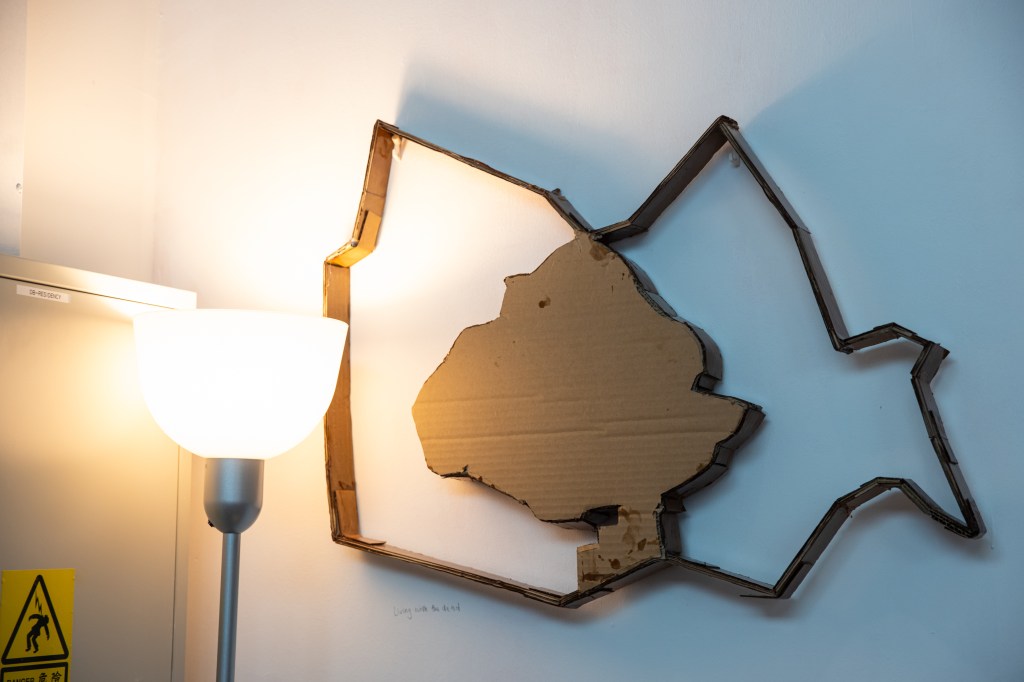
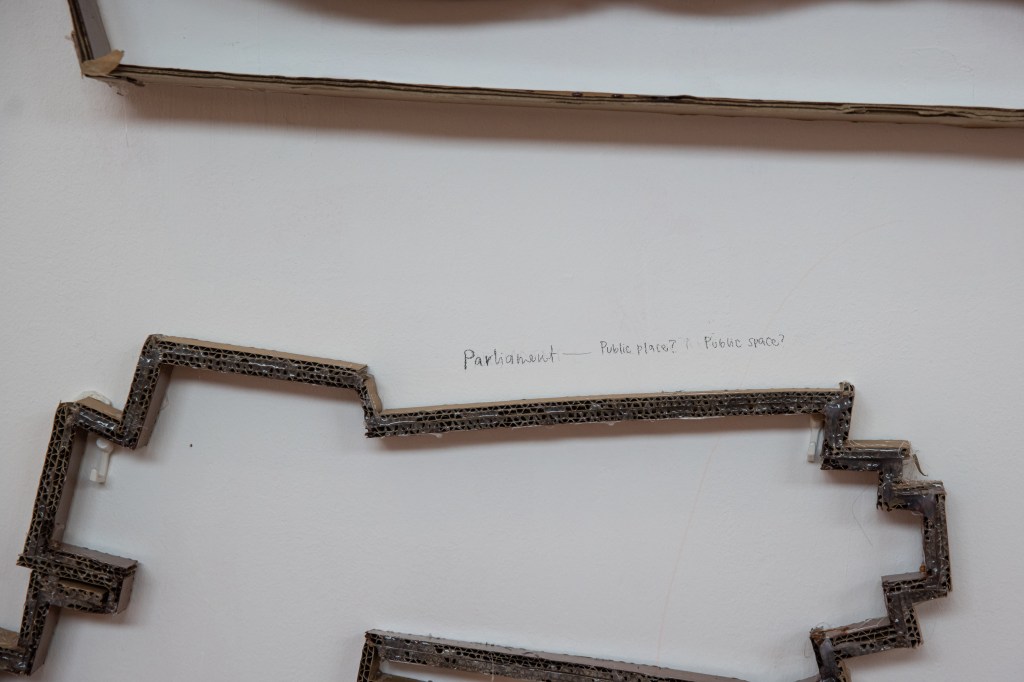
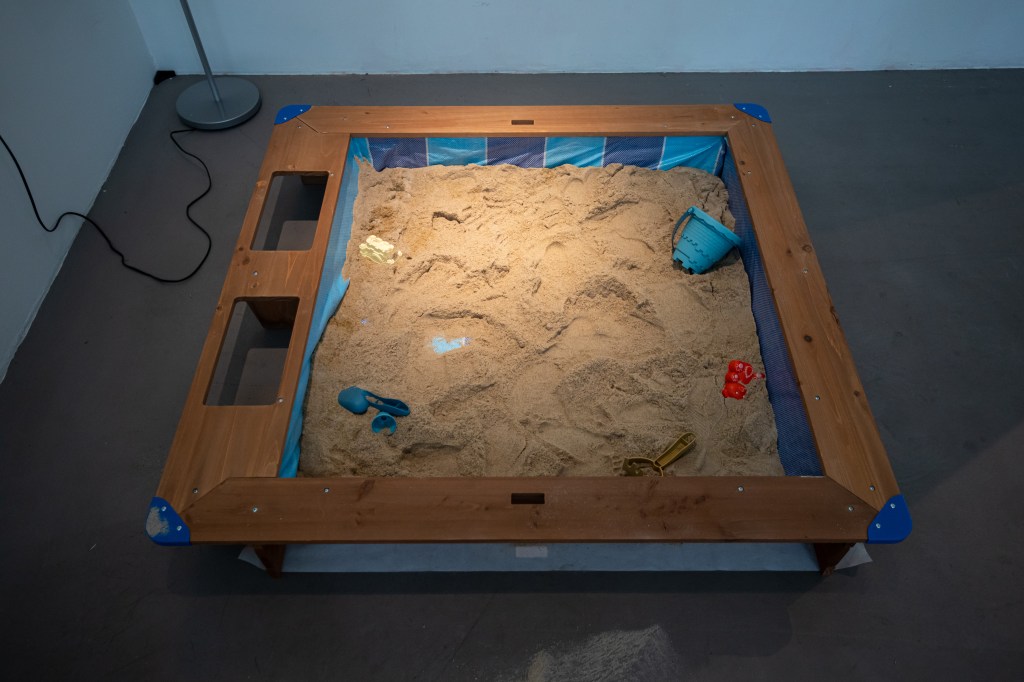
The project was displayed during the Singapore Art Week,2024
 NILANJAN DAS